
Introduction | Impact on Lung | Cardiovascular Damage | Reproductive System | Neurological Damage | Conclusion
Introduction
Smoking is one of the leading preventable causes of death worldwide, responsible for millions of fatalities annually. Despite widespread awareness of its dangers, smoking remains a prevalent habit due to nicotine addiction and social influences. This paper explores the harmful effects of smoking on various organs, with a particular focus on lung damage. Additionally, it examines how smoking impairs the reproductive system, cardiovascular health, and brain function, supported by medical research and experimental evidence.
1. The Impact of Smoking on Lung Health
1.1 How Smoking Damages the Lungs
The lungs are the primary organs affected by smoking due to direct exposure to toxic chemicals. Cigarette smoke contains over 7,000 chemicals, including carcinogens like benzene, formaldehyde, and polycyclic aromatic hydrocarbons (PAHs). These substances cause oxidative stress, inflammation, and structural damage to lung tissue.
1.1.1 Impaired Ciliary Function
The respiratory tract is lined with cilia—tiny hair-like structures that sweep mucus and debris out of the lungs. Smoking paralyzes and destroys these cilia, leading to mucus buildup and chronic bronchitis. A study by Hogg et al. (2004) demonstrated that smokers exhibit significant ciliary dysfunction, increasing susceptibility to infections like pneumonia.
1.1.2 Chronic Obstructive Pulmonary Disease (COPD)
COPD, encompassing emphysema and chronic bronchitis, is strongly linked to smoking. Emphysema occurs when smoke-induced inflammation destroys alveoli (air sacs), reducing lung elasticity and gas exchange efficiency. Research by Mannino et al. (2003) found that smokers are 12-13 times more likely to die from COPD than non-smokers.
1.1.3 Lung Cancer Development
Smoking is the leading cause of lung cancer, responsible for 85% of cases (American Cancer Society, 2021). Carcinogens in tobacco smoke, such as nitrosamines, cause DNA mutations in bronchial epithelial cells. A landmark study by Peto et al. (2000) showed that smoking 20 cigarettes a day increases lung cancer risk by 20-25 times compared to non-smokers.
1.2 Experimental Evidence on Lung Damage
Animal studies have been instrumental in understanding smoking’s effects:
- A 2015 study in Toxicology Reports exposed rats to cigarette smoke for six months, resulting in alveolar wall thickening, fibrosis, and increased inflammatory markers (IL-6, TNF-α).
- In vitro experiments using human bronchial cells showed that cigarette smoke extract (CSE) induces oxidative DNA damage and apoptosis (cell death) (Rangasamy et al., 2004).
2. Smoking and Cardiovascular Damage
2.1 Atherosclerosis and Heart Disease
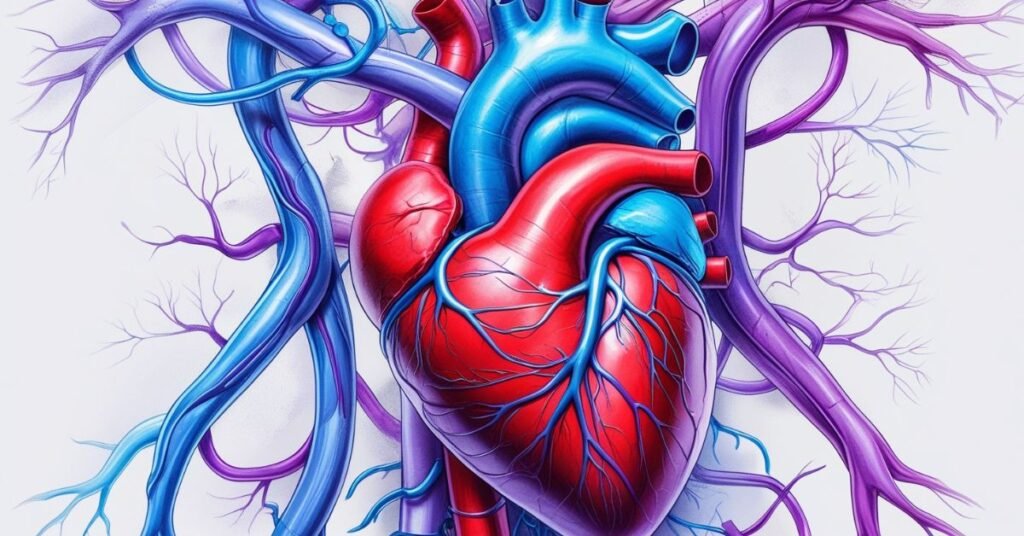
Smoking accelerates atherosclerosis—the buildup of fatty plaques in arteries. Nicotine and carbon monoxide (CO) promote endothelial dysfunction, increasing LDL cholesterol oxidation and plaque formation.
- Framingham Heart Study (1983) found that smokers have 2-4 times higher risk of coronary artery disease.
- A 2018 study in Circulation demonstrated that smoking reduces nitric oxide (NO) bioavailability, impairing blood vessel dilation and increasing hypertension risk.
2.2 Increased Risk of Stroke
Smoking thickens blood and promotes clot formation, raising ischemic stroke risk by 50% (WHO, 2020). A meta-analysis by Shah et al. (2010) confirmed that quitting smoking reduces stroke risk by 50% within five years.
3. Smoking’s Effects on the Reproductive System
3.1 Male Fertility Impairment
- Sperm DNA Fragmentation: Smoking increases oxidative stress in semen, damaging sperm DNA (Practice Committee of ASRM, 2018).
- Erectile Dysfunction (ED): Nicotine constricts blood vessels, reducing penile blood flow. A 2016 study in BJU International found that 40% of male smokers develop ED.
3.2 Female Reproductive Health
- Reduced Ovarian Reserve: Smoking accelerates egg loss, leading to early menopause (Freour et al., 2012).
- Pregnancy Complications: Smoking increases risks of miscarriage, preterm birth, and low birth weight (CDC, 2021).
4. Neurological Damage from Smoking
4.1 Cognitive Decline and Dementia
- A 2018 study in JAMA Neurology found that smokers have double the risk of Alzheimer’s disease due to vascular damage and beta-amyloid accumulation.
- Nicotine alters dopamine pathways, increasing addiction susceptibility (Volkow et al., 2019).
4.2 Stroke and Brain Atrophy
Smoking shrinks the brain’s gray matter, accelerating cognitive decline (Karama et al., 2015).
Conclusion
Smoking devastates nearly every organ system, from lung destruction (COPD, cancer) to cardiovascular disease, reproductive harm, and neurological decline. Medical research consistently proves that quitting smoking significantly reduces health risks. Public health policies must prioritize smoking cessation programs to mitigate this global health crisis.